
Hippocrates Meets Turing: Digital twins for in silico trials: what works, what breaks, what’s next
In silico trials powered by credible digital twins are reshaping medical product evidence, enabling faster, safer, and more affordable innovation by shifting human studies towards confirmatory roles. This talk distils general principles for making this shift work at scale: defining clear contexts of use; building end-to-end pipelines from data curation to anatomy/physiology/device modelling; and rigorously managing verification, validation, and uncertainty quantification to establish model credibility. We will outline how to design proportionate, risk-informed evidence strategies across the product lifecycle, integrate real-world data with physics- and biology-based models (including AI), and operationalise virtual cohorts that capture lifestyle, physiological, and operational envelopes. We will also discuss what breaks—limits of generalisability, failure modes in complex anatomy/physiology couplings, credibility gaps, and socio-technical barriers—and how to mitigate them through standards, best practices, and regulatory “airlock” co-creation. Grounded by brief exemplars from cardiovascular devices, the session looks ahead to scalable infrastructure, workforce development, and global frameworks needed to mainstream trustworthy model-informed evidence.
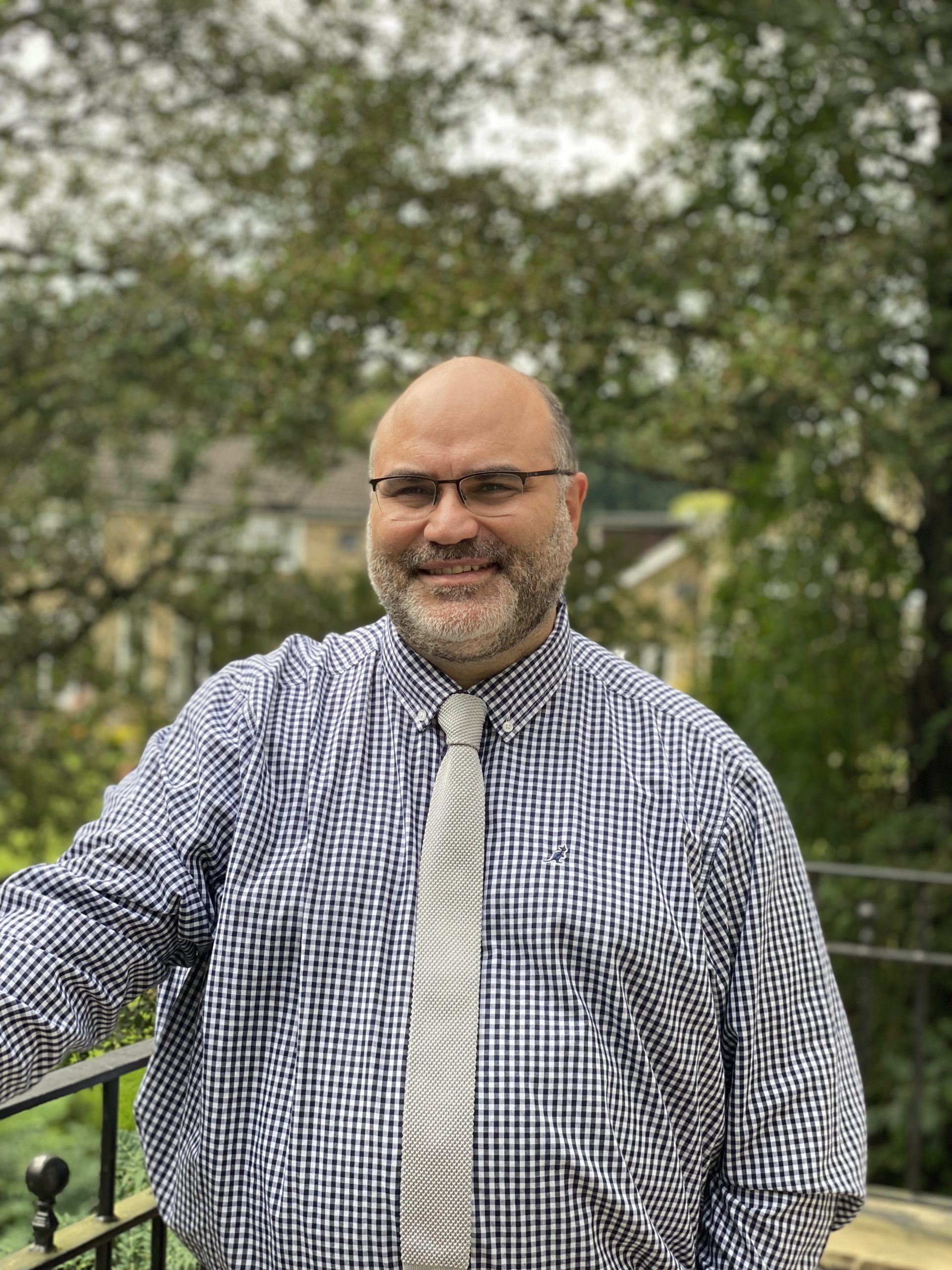
Prof Alejandro Frangi is the Bicentenary Turing Chair in Computational Medicine at the University of Manchester and the Royal Academy of Engineering Chair in Emerging Technologies. He leads the UK CEiRSI Centre of Excellence on In Silico Regulatory Science and Innovation and is a Fellow of IEEE, SPIE, and MICCAI. With over 330 journal publications, his work focuses on precision computational medicine and digital twins for medical devices. He is also a co-founder of adsilico Ltd and OculomeX Health Ltd. https://affrangi.github.io/